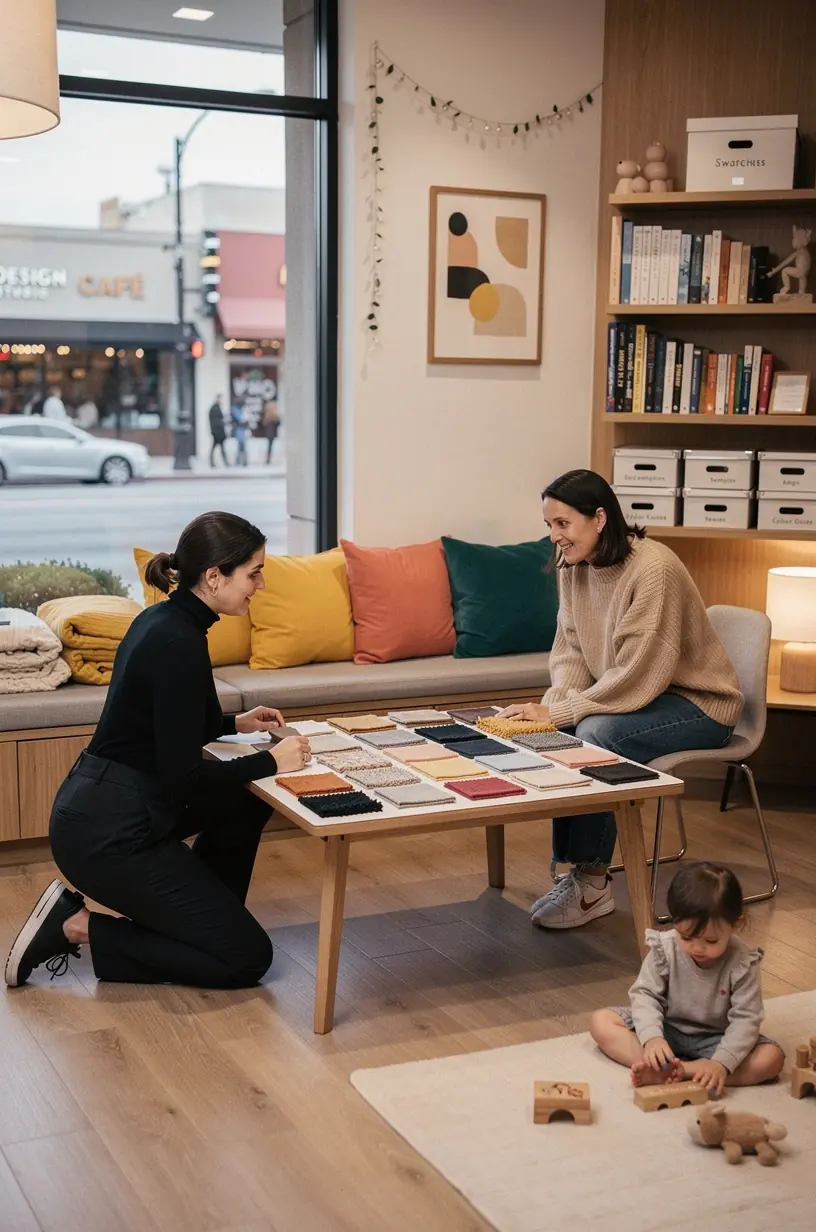
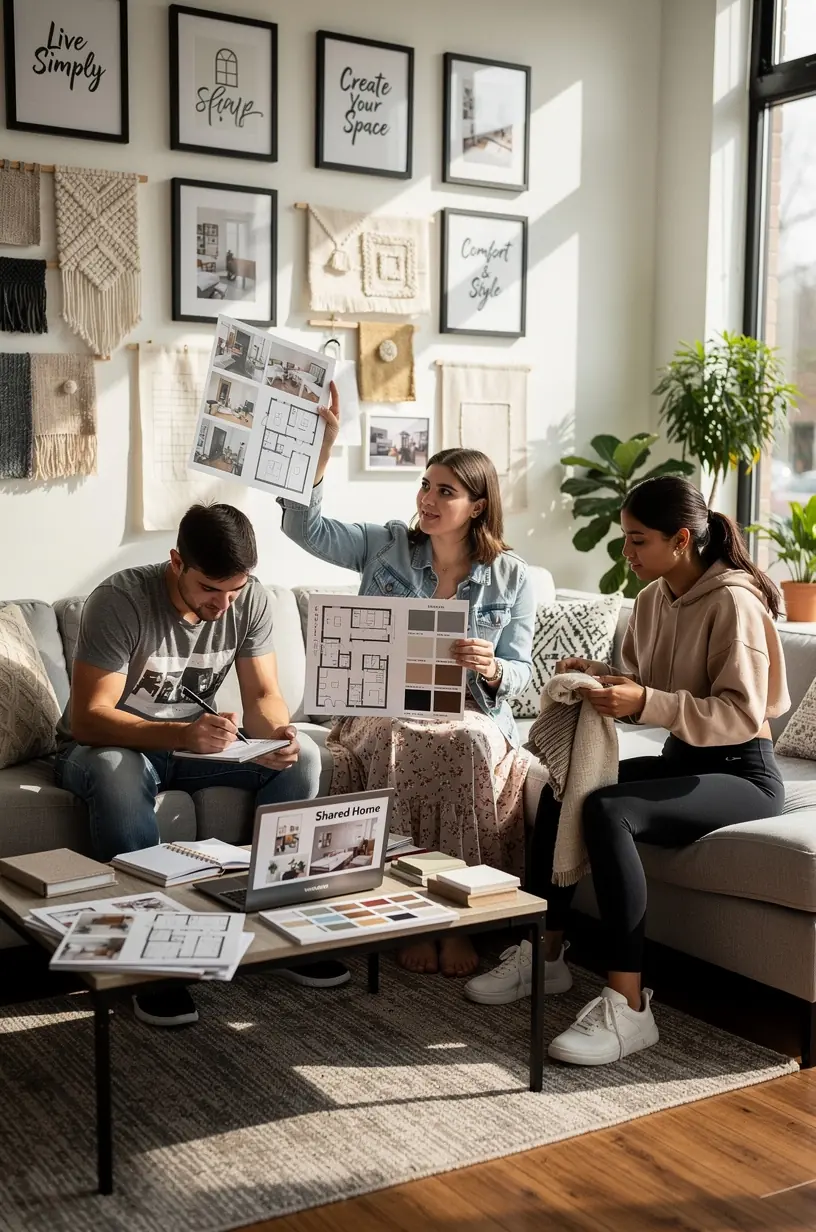
Practical Tips for Combining Patterns and Textures
Creating a cozy and inviting home often involves the thoughtful combination of patterns and textures. This article presents practical tips to help you skillfully blend different elements, enhancing the comfort and aesthetic appeal of your living space.
Understanding the Basics of Patterns and Textures
Combining patterns and textures can transform a room into a harmonious and visually appealing space. According to designers, an effective approach involves understanding the principles of balance, contrast, and cohesion. Patterns are typically defined as the repeating designs found on fabrics or wallpapers, while textures refer to the surface quality and feel of materials.
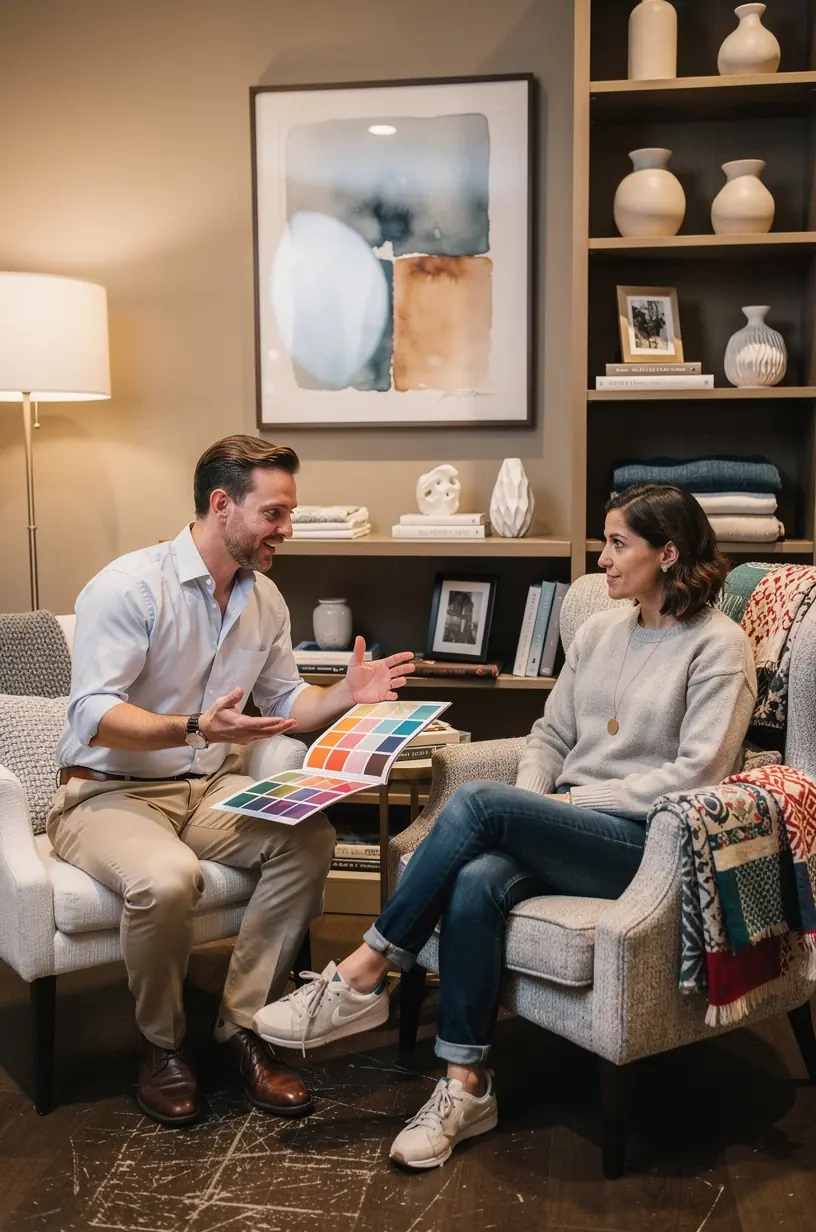
"The key to a well-designed space lies in the thoughtful integration of patterns and textures to create a balanced environment." - Interior Design Expert
Practical Tips for Effective Combination
- Start with a Neutral Base: Using neutral colors for larger furniture pieces allows you to experiment with patterns and textures in smaller accents like cushions or throws. This method is often recommended by designers as it creates a stable foundation.
- Mix Different Scale Patterns: Combining large-scale patterns with smaller ones can add visual interest and depth. Many users report that this technique often makes a space feel more dynamic and layered.
- Consider Color Harmony: Choose patterns that share a similar color palette to ensure cohesion. Experts suggest that having a common color can help unify different elements, making the overall design feel intentional.
- Use a Focal Point: Establish a primary pattern or textured element that serves as the focal point of the room. This can help direct attention and create a sense of order. Research indicates that having a focal point can significantly enhance the visual impact of a space.
- Balance Textures: Mixing smooth fabrics with rough textures can create an appealing contrast. For instance, pairing a plush velvet sofa with a woven jute rug may contribute to a more inviting atmosphere, according to textile experts.
Acknowledging the Limitations
While combining patterns and textures can be rewarding, it typically requires practice and experimentation. Many users find that this process can take time, often 2-4 weeks, to perfect as they adjust to their preferences and the specific characteristics of the materials they use. It’s essential to approach this journey with patience, as not every combination may work as intended.
Conclusion
In summary, combining patterns and textures can enhance the comfort and beauty of your home. By starting with a neutral base, mixing scales, and ensuring color harmony, you can achieve a cohesive look. Remember to balance textures and consider creating a focal point to guide your design efforts. This thoughtful approach, grounded in industry standards, can help you create a space that feels both inviting and visually appealing.