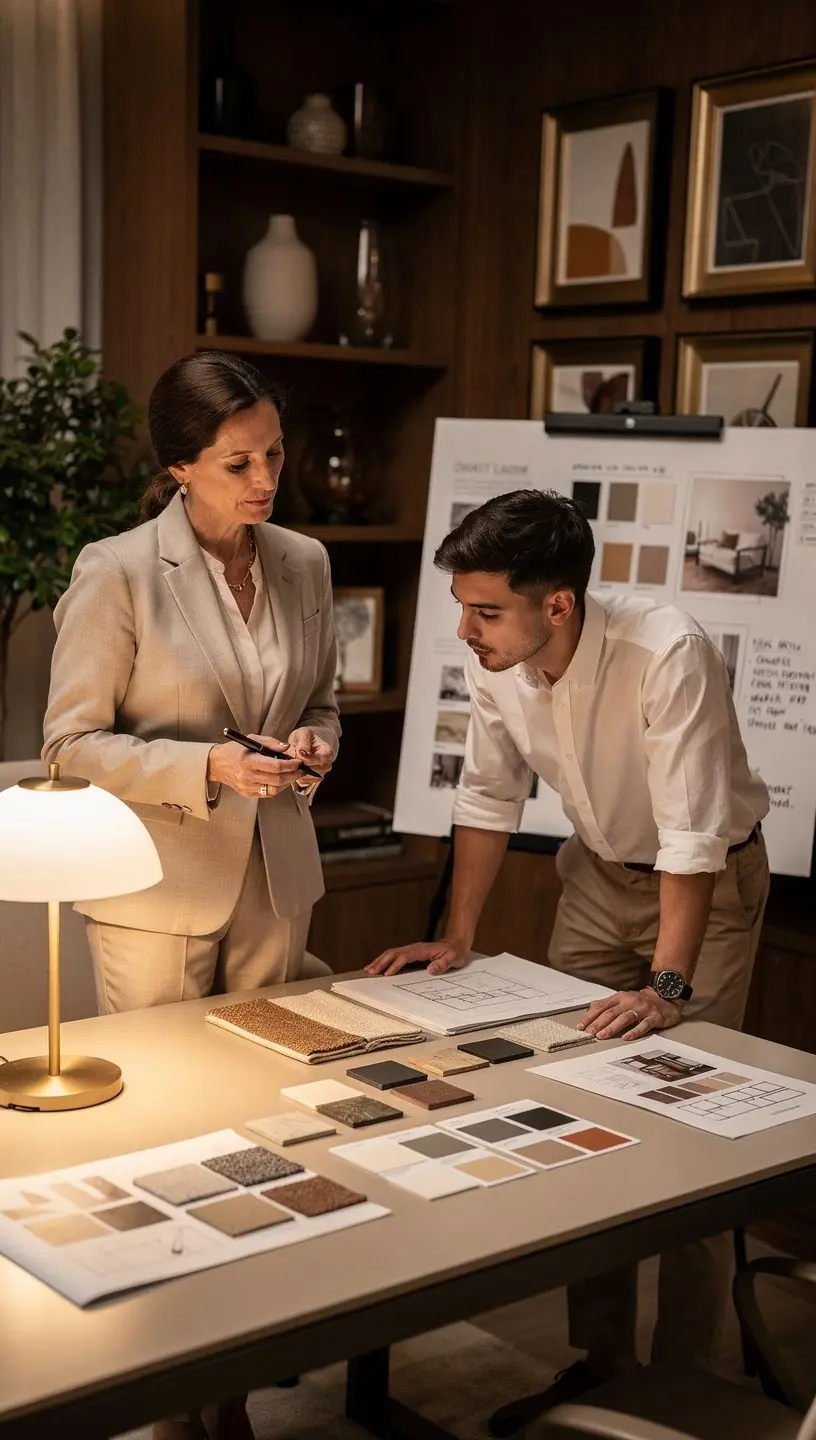
The Importance of Space Planning in Home Design
Space planning is a critical component of home design that can significantly influence comfort, functionality, and aesthetics. By understanding the principles of space planning, homeowners can create a living environment that not only looks appealing but also works effectively for their lifestyle.
Understanding the Basics of Space Planning
At its core, space planning involves the effective arrangement of furniture and decor within a space to enhance its functionality and visual appeal. According to research conducted by the American Society of Interior Designers, effective space planning can improve a home's usability and comfort. The principle behind this is that a well-organized space allows for better movement and interaction among occupants, fostering a conducive atmosphere for daily activities.

"Effective space planning can improve usability and comfort, making a home feel more inviting and functional." - American Society of Interior Designers
Why Space Planning Matters
Experts argue that space planning is essential for several reasons:
- Maximizes Functionality: A well-planned space can accommodate various activities without clutter. Studies show that homes designed with thoughtful layouts often see a reduction in stress and an increase in productivity.
- Enhances Aesthetic Appeal: Layout significantly affects a room's appearance. Proper placement of furniture and decor can create a harmonious look, making spaces feel more coherent and inviting.
- Supports Personal Needs: A customized layout that takes into consideration the occupants' habits and preferences can greatly enhance the comfort of a home. This personalized approach is often recommended by professional designers.
Practical Application of Space Planning
When it comes to implementing effective space planning in your home design, consider these actionable steps:
- Assess Your Needs: Begin by identifying how each space will be used. This assessment typically requires honest reflection on daily activities and preferences.
- Create a Floor Plan: Use simple tools or software to draft a floor plan that includes all elements of the space, such as windows, doors, and existing furniture. Experts recommend allowing for clear pathways to avoid clutter.
- Test Arrangements: Before making permanent changes, consider testing different furniture arrangements. This process may take some time, but it can lead to significant improvements in comfort and usability.
Common Challenges and Limitations
While space planning can bring many benefits, it's essential to acknowledge certain limitations:
- Space planning can be time-consuming; the process typically requires several iterations to get it right.
- Some homes may have structural constraints that limit design options, making it essential to work with a professional who understands these challenges.
- Effective space planning often requires a commitment to regular adjustments as household needs change over time.
Conclusion
In summary, space planning is a vital aspect of home design that has far-reaching effects on comfort and functionality. By employing thoughtful strategies and engaging in the planning process, homeowners can create spaces that not only look beautiful but also support their everyday lives. Remember, successful space planning is an ongoing journey that may require adjustments and reevaluation over time.
Discover More