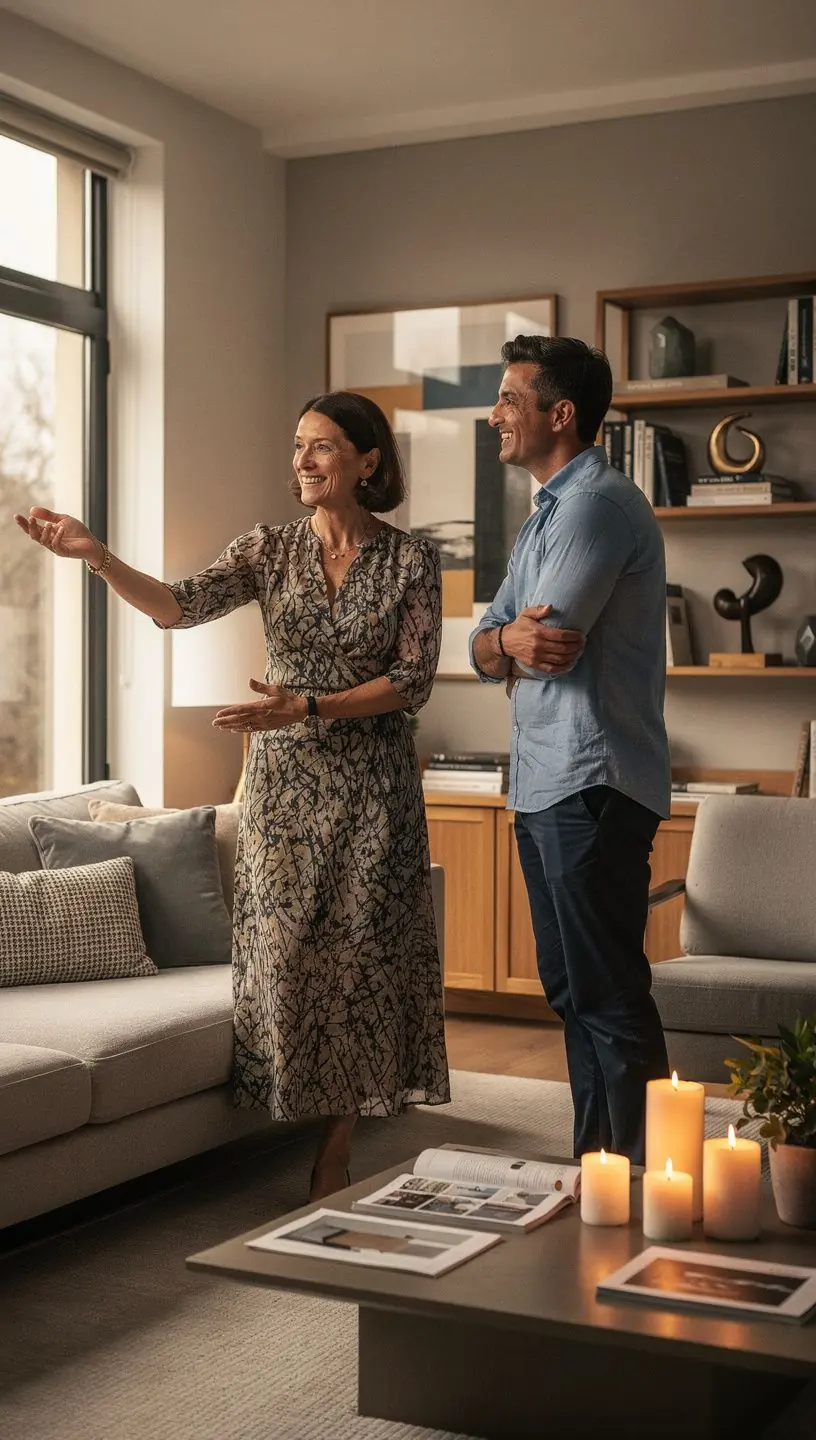
Understanding the Impact of Layout on Living Spaces
Creating a cozy living space goes beyond just selecting the right textiles and decor. The layout of a room plays a crucial role in how comfortable and functional that space is. This article explores the significance of layout in home design, backed by research and expert recommendations.
Understanding the Basics of Layout
The layout of a room typically refers to how furniture and decor are arranged within the space. According to industry experts, a well-planned layout can significantly enhance the usability and aesthetic appeal of a room. Studies indicate that spaces designed with consideration for flow and function can promote a sense of well-being and belonging.
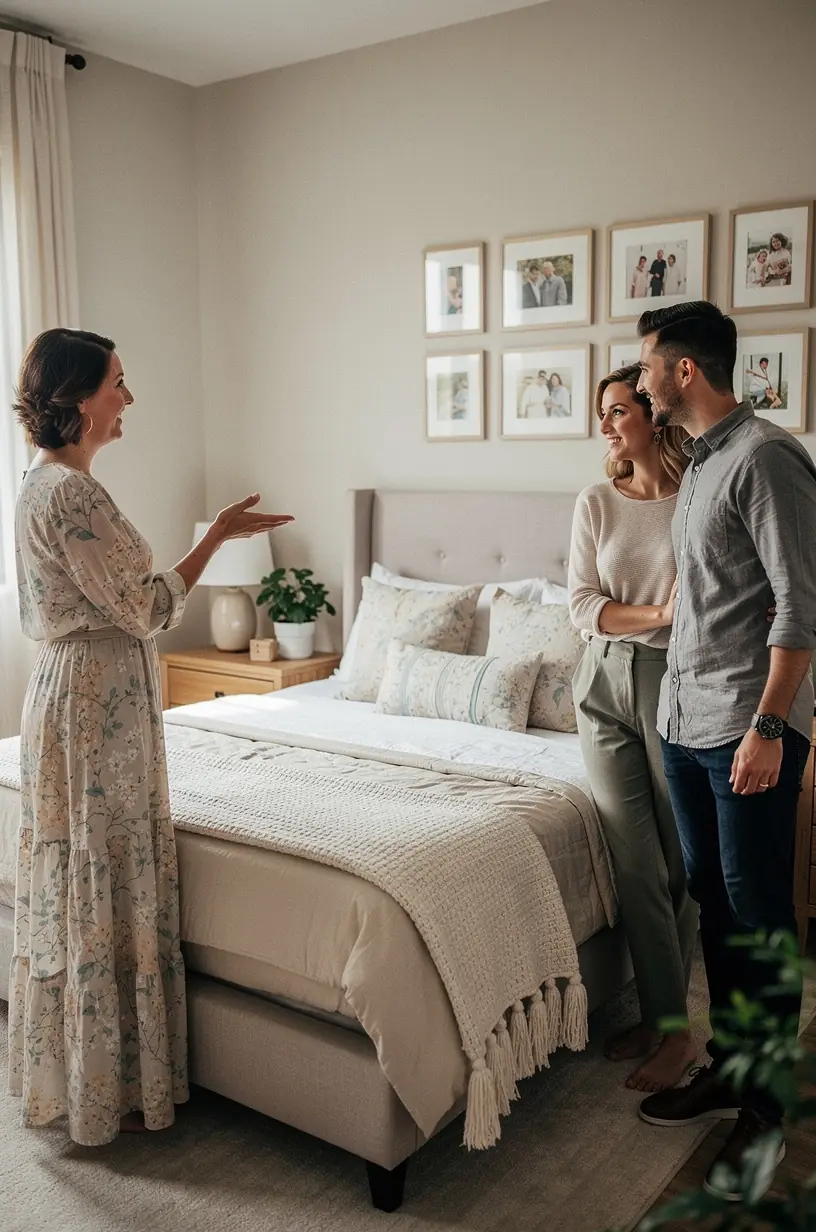
"A thoughtful layout can transform even the smallest of spaces into a functional haven."
Why Layout Matters
Effective layout serves multiple purposes. Here are a few reasons why it is essential:
- Flow and Accessibility: A good layout allows for easy movement throughout the space, which experts recommend for maximizing comfort and functionality.
- Defined Areas: In open-plan environments, creating defined areas through layout can help in establishing a sense of purpose for each section of the room.
- Aesthetic Appeal: The arrangement of furniture and decor can enhance the overall look, making spaces feel inviting and harmonious.
Practical Steps to Improve Your Layout
If you're considering a layout change, here are practical steps to guide you through the process:
- Assess Your Space: Take accurate measurements of your room. This step is vital as it helps in planning an efficient layout that works well for the dimensions of your space.
- Identify Function: Determine the primary function of the room. For instance, if the space is for relaxation, your layout should facilitate comfort, perhaps by positioning a sofa in a way that invites conversation.
- Experiment with Arrangements: Use furniture templates or online room planners to visualize different layouts. Research shows that experimenting can lead to discovering more functional arrangements that you might not have considered initially.
Common Mistakes to Avoid
When planning your layout, being aware of common pitfalls can save you time and effort:
- Ignoring Traffic Flow: Furniture that obstructs pathways can create frustration. Aim for a layout that allows for unobstructed movement, typically requiring at least 30 inches of space between furniture pieces.
- Overcrowding the Room: Many users report that too much furniture results in a cramped feel. Instead, prioritize essential pieces and allow for breathing space.
- Neglecting Natural Light: Positioning furniture in a way that blocks windows can diminish the room's brightness. Experts recommend optimizing natural light to create a more inviting atmosphere.
Conclusion
Understanding the impact of layout on living spaces is fundamental to creating a truly cozy home. By prioritizing flow, functionality, and aesthetic appeal, you can transform your living area into a space that reflects comfort and style. Remember that effective layouts often require time and dedication to perfect, but the results typically lead to a more enjoyable living experience. Whether you're starting a new project or looking to refresh your current space, these insights can guide you toward making informed decisions that enhance your home.
Discover More