Understanding the Psychology of Home Decor
Creating a comfortable living space goes beyond mere aesthetics; it taps into psychological principles that can enhance well-being. This article explores how home decor influences our emotions, behaviors, and overall sense of comfort.
The Basics of Home Decor Psychology
Understanding the psychology behind home decor is essential for anyone looking to create a comforting environment. According to research, the spaces we inhabit significantly affect our mood and behavior. Colors, textures, and layouts play pivotal roles in how we perceive our surroundings.
Experts recommend incorporating elements that foster a sense of safety and relaxation. For instance, colors like blue and green are often associated with calmness, making them effective choices for spaces where relaxation is desired.
"The colors and layout of our home can profoundly influence our emotional state and well-being." - Interior Design Expert
Key Psychological Principles to Consider
- Color Psychology: Different colors can evoke various emotional responses. For example, warm colors like red and orange can stimulate energy and conversation, while cool colors often promote tranquility.
- Spatial Awareness: The layout of a room can impact how we interact with the space. Open layouts typically encourage social interaction, while partitioned spaces can create a sense of intimacy.
- Personalization: Incorporating personal items and decor that reflect one’s identity can enhance feelings of belonging and comfort. Studies show that personalized spaces can increase overall satisfaction with one’s environment.
Practical Steps for Creating a Comforting Space
To effectively implement these principles in your home, consider the following steps:
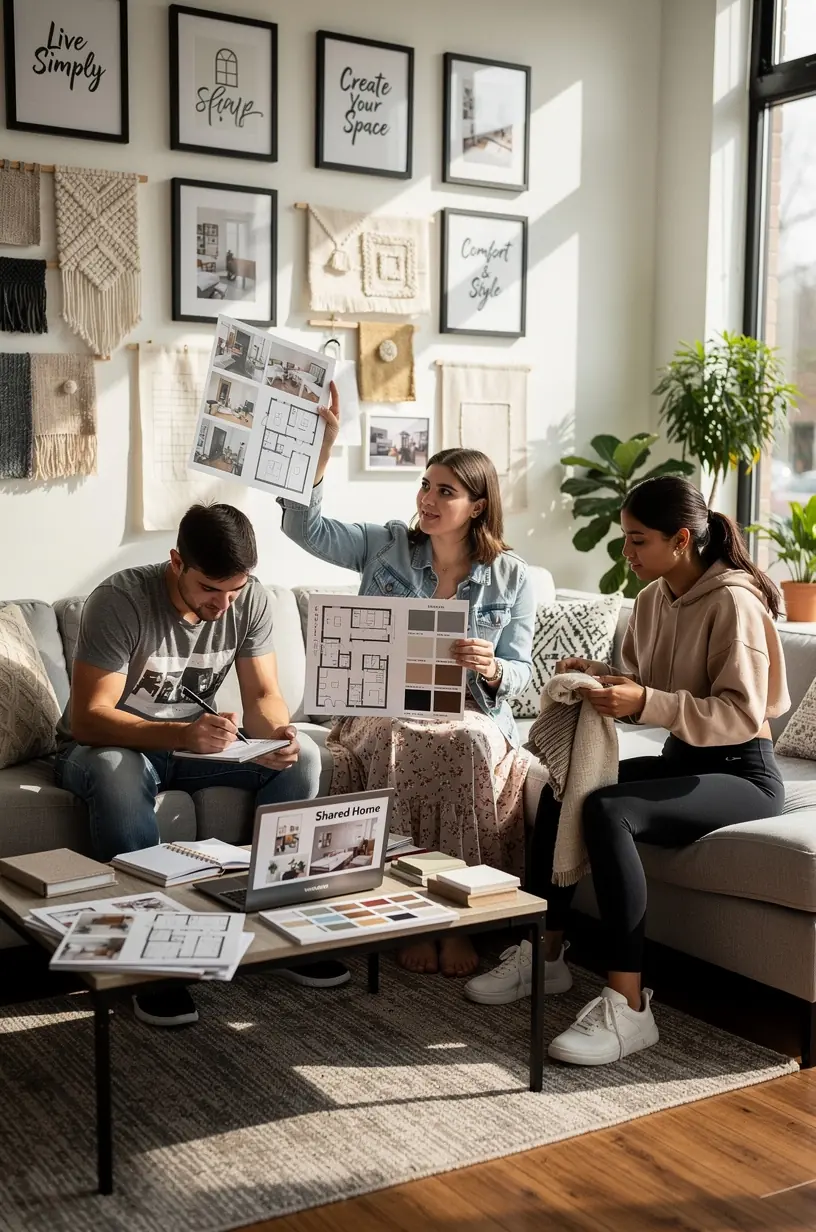
- Assess Your Space: Evaluate your current decor and identify areas that may be contributing to discomfort. This typically involves considering lighting, color schemes, and furniture placement.
- Experiment with Color: Choose colors that resonate with your desired emotional outcome. For example, if you seek a calming effect, consider painting your walls in soothing shades of blue or green.
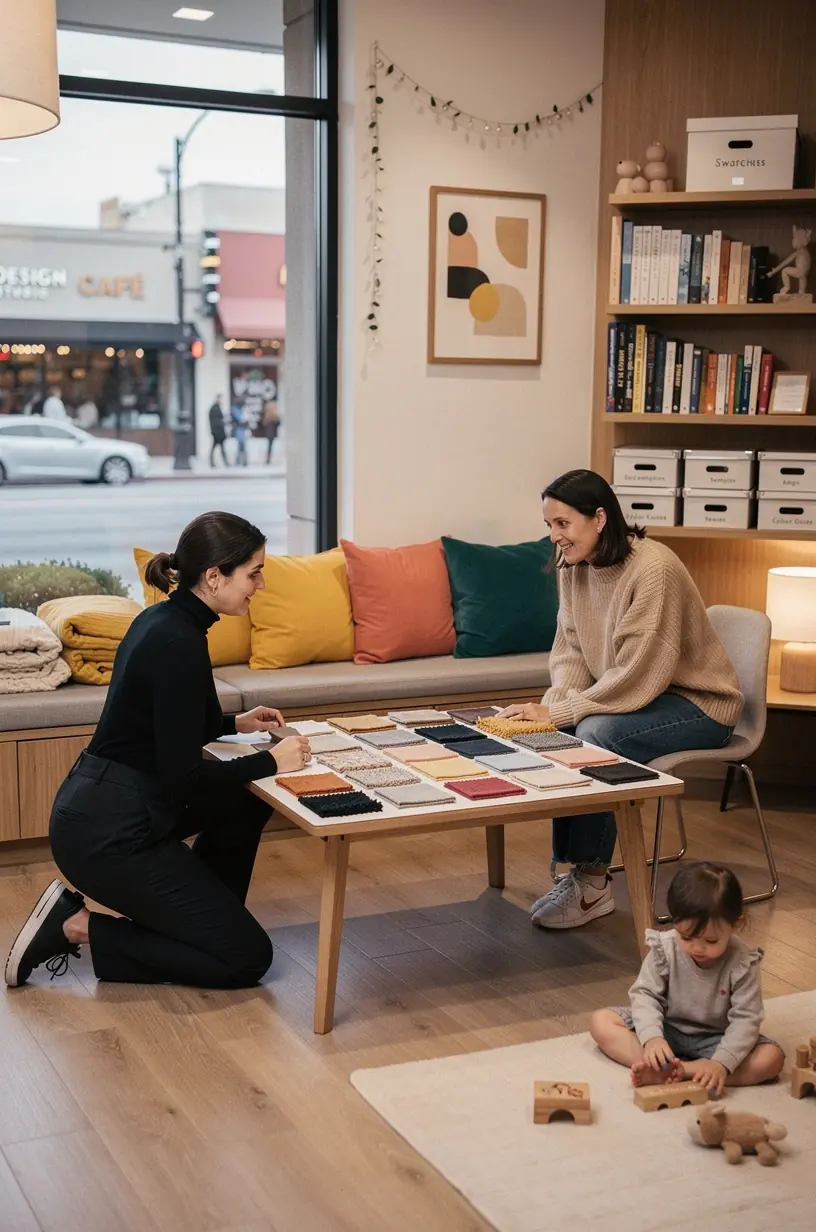
- Incorporate Textiles: Use textiles such as curtains, cushions, and blankets to soften spaces and introduce texture. Research indicates that softer textures can promote a sense of warmth and coziness.
The Value of Professional Guidance
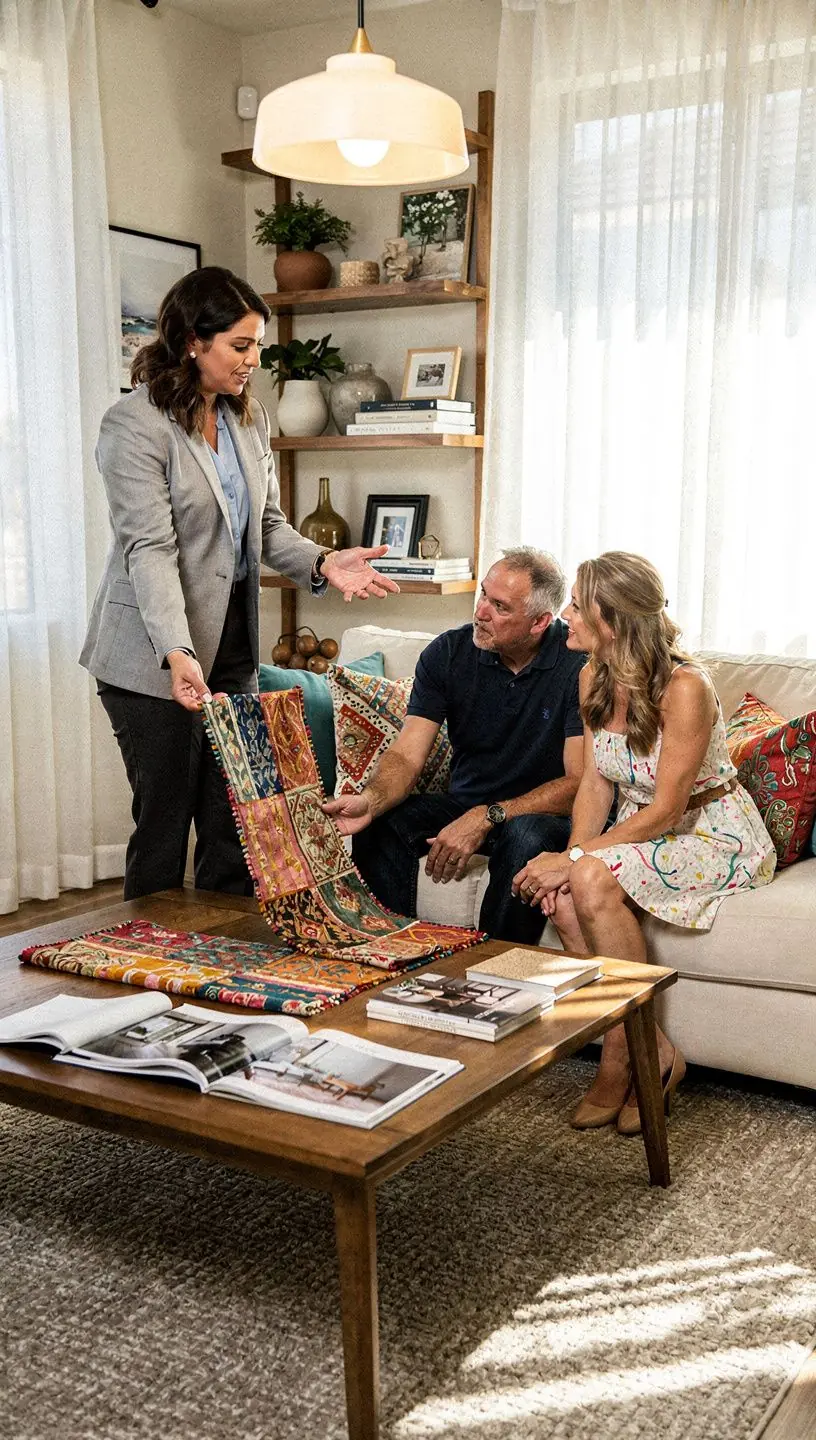
While personal decoration can yield results, consulting with a professional can provide tailored insights that align with psychological principles. Many users report that working with a home consultant not only enhances their space but also educates them about effective decor strategies.
This process typically involves an initial assessment of your space, followed by discussions regarding your preferences and the psychological effects of certain design choices. Sessions may take 2-4 weeks, allowing for thoughtful implementation of ideas.
Conclusion
Understanding the psychology behind home decor can transform your living space into a haven of comfort and well-being. By applying principles of color psychology, spatial awareness, and personalization, you can create an environment that resonates with your emotional needs. Whether you choose to implement these changes independently or seek professional assistance, the journey towards a more comfortable home is well worth the effort.
Discover More