Practical Steps to Achieve a Balanced Room Aesthetic
Creating a balanced room aesthetic is not merely about choosing the right colors or furniture; it involves a thoughtful approach to layout, textiles, and decor. This article will guide you through practical steps to achieve comfort and harmony in your home.
Understanding the Basics of Room Aesthetics
According to interior design principles, a well-balanced room is characterized by proportion, harmony, and unity among its elements. Experts recommend focusing on three key aspects: layout, textiles, and decor. These components work together to create an inviting and comfortable environment.
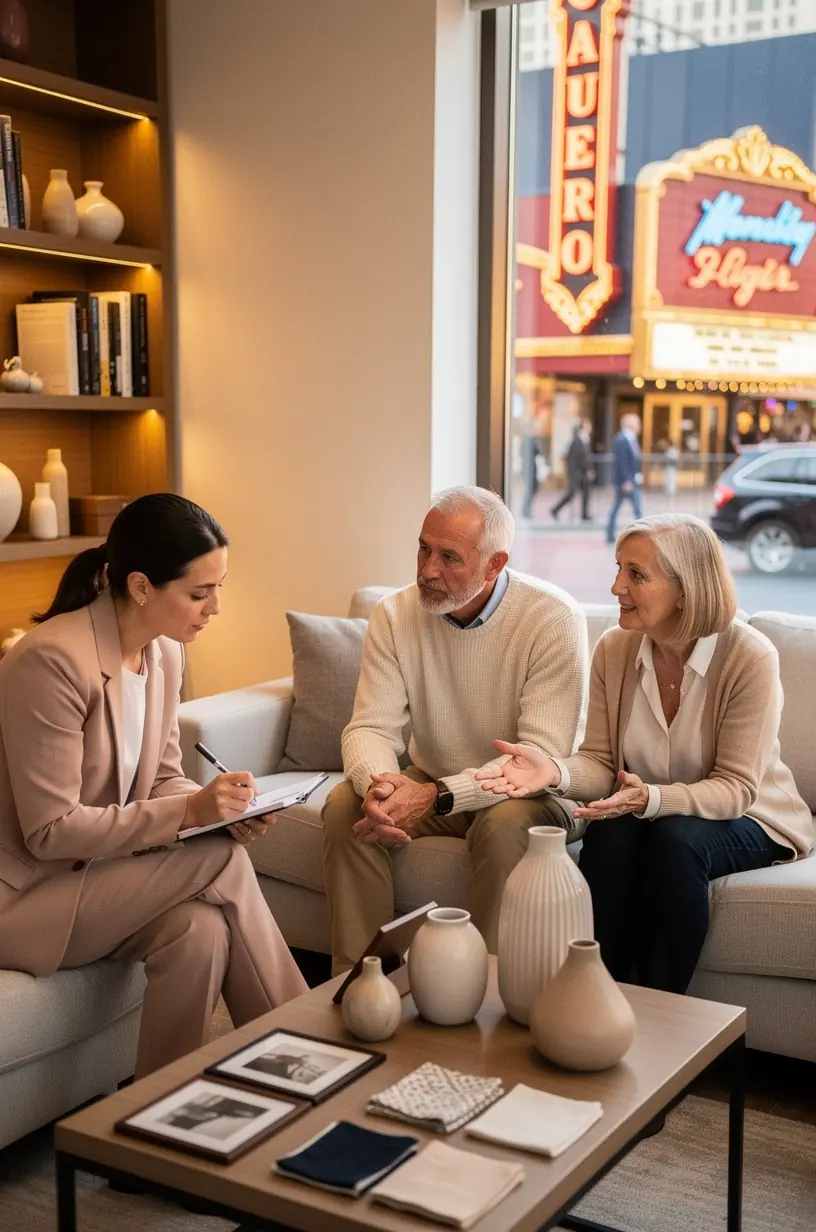
"A balanced aesthetic is not just visually appealing; it can significantly enhance your mood and well-being."
Key Elements to Consider
- Layout: The arrangement of furniture and decor items greatly influences the room's flow and functionality. Typically, a well-thought-out layout allows for easy movement and creates visual pathways.
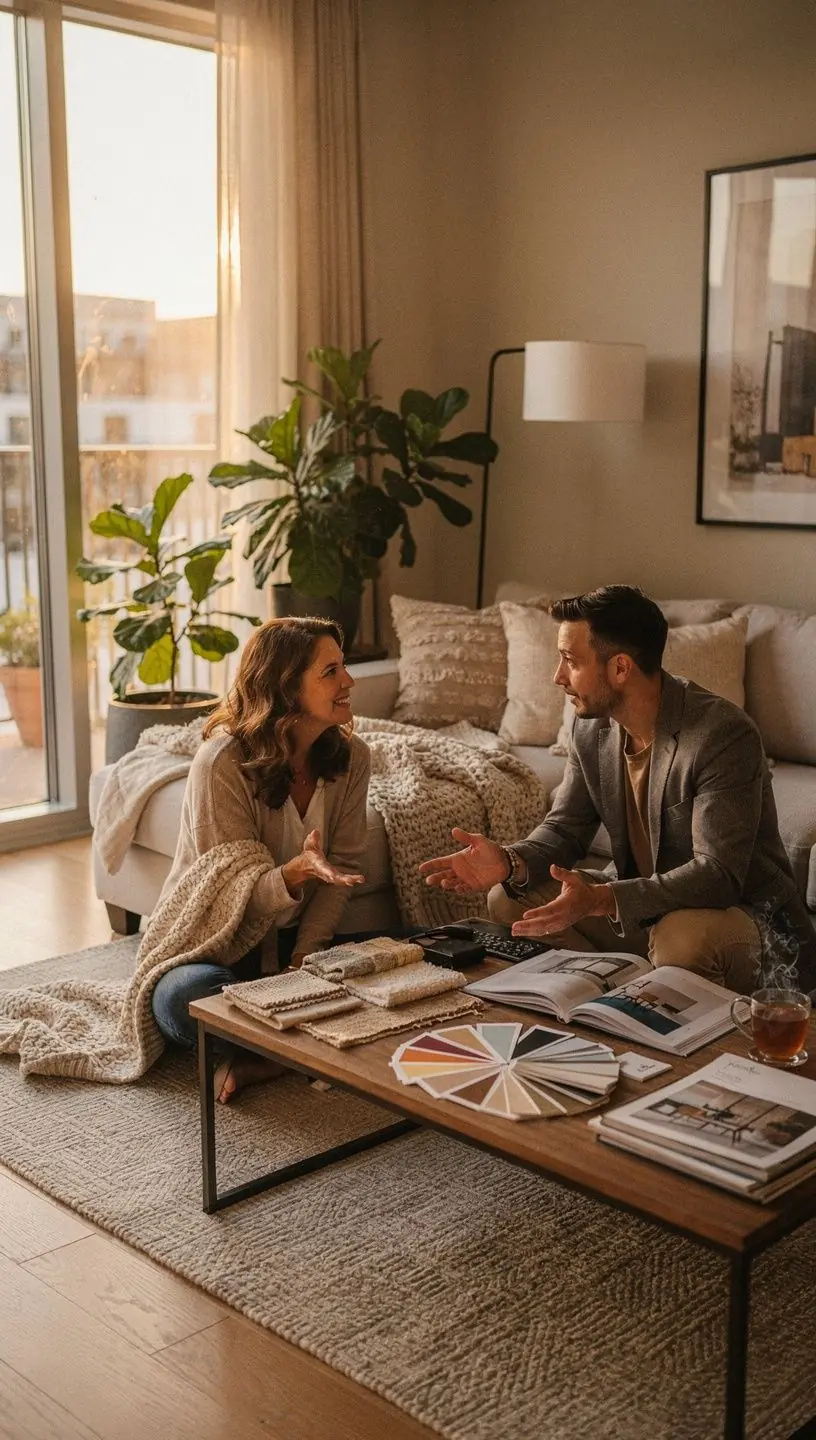
- Textiles: Fabrics can soften a space and add warmth. Layering different textiles, such as cushions, throws, and curtains, can create depth and texture, which experts suggest is essential for comfort.
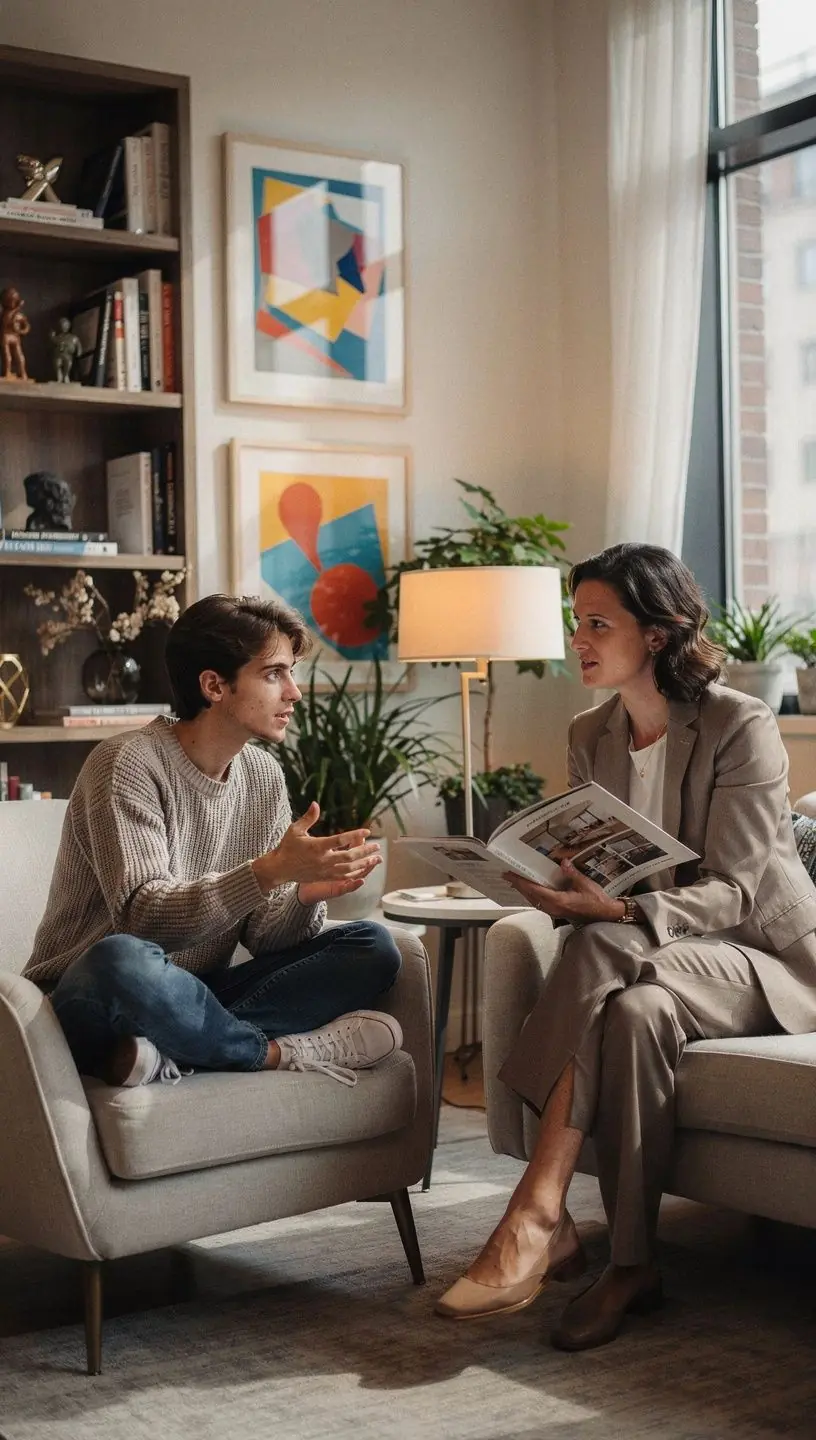
- Decor: Choosing decor items that resonate with your personal style while maintaining a cohesive theme is crucial. Many users report that consistent color schemes and styles help to unify the space.
Practical Steps to Achieve Balance
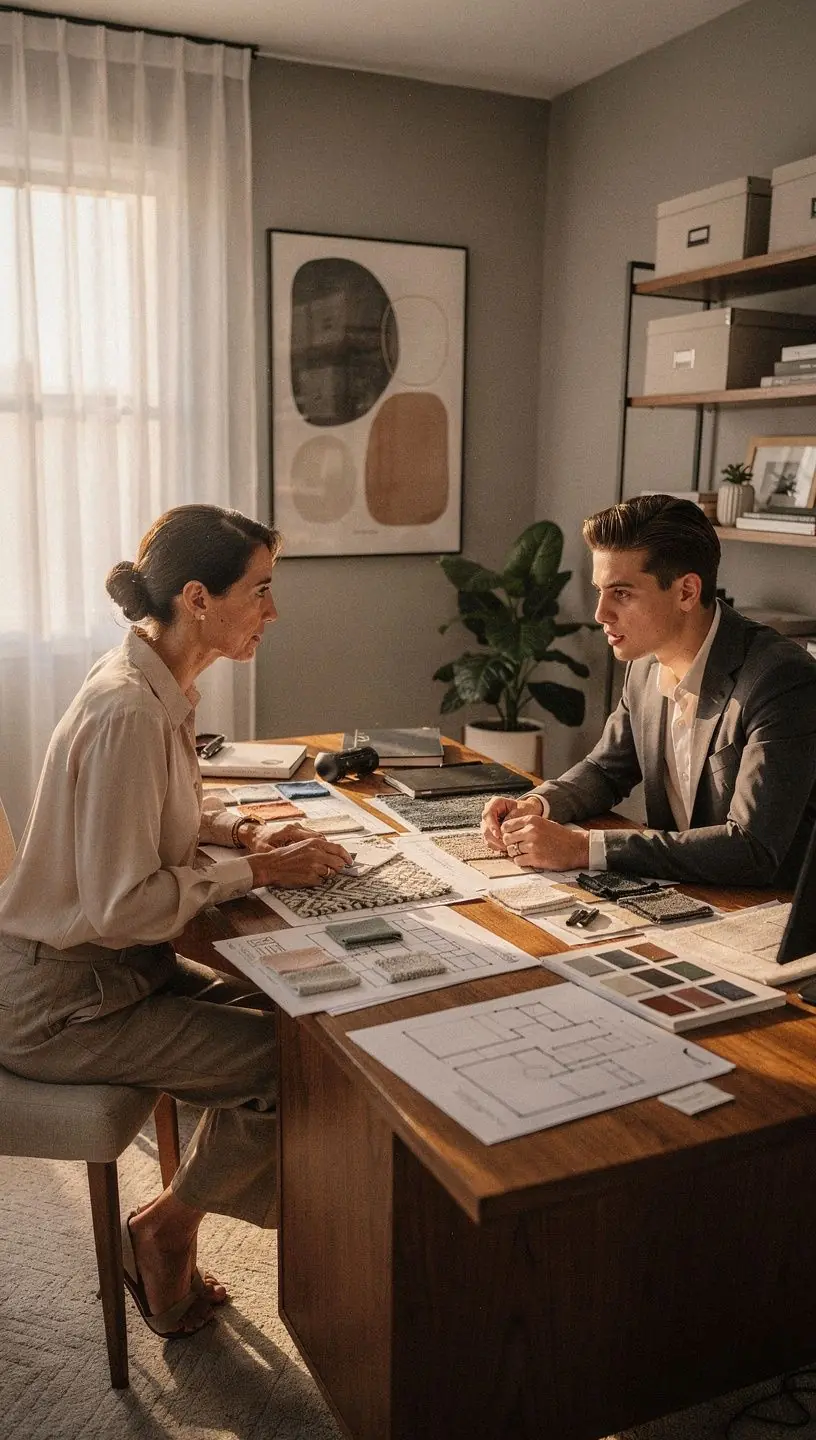
- Assess Your Space: Start by evaluating your room's size and shape. This typically involves taking measurements and noting architectural features. Understanding your space is essential before making any design changes.
- Choose a Focal Point: Every room should have a focal point, such as a fireplace, artwork, or a piece of furniture. Position other elements around this focal point to create a sense of harmony. This approach works best when the focal point is visually striking.
- Layer Textiles Wisely: Incorporate a mix of textures and patterns, but keep them within a complementary color palette. Research shows that layering textiles can enhance comfort and visual interest. Aim for variety but ensure elements relate to one another.
- Balance Color and Light: Use lighter colors on walls and larger furniture pieces to create openness, while darker shades can add depth. Many designers recommend using a mix of natural and artificial lighting to enhance the room's brightness and mood.
- Incorporate Personal Touches: Adding personal items like photographs or souvenirs can make a space feel like home. However, be mindful of clutter, as too many decorative items can disrupt balance.
Setting Realistic Expectations
Implementing these tips typically requires time and dedication. For many homeowners, achieving a balanced aesthetic may take anywhere from a few days to several weeks, depending on the extent of the changes. Experts suggest setting small, achievable goals to avoid feeling overwhelmed.
Conclusion
Creating a balanced room aesthetic is an ongoing process that involves thoughtful consideration of layout, textiles, and decor. It is essential to understand that results may not be instant; however, by following these practical steps, you can foster an environment that promotes comfort and well-being. Remember that design is personal, and what works for one may not work for another, so feel free to adjust these guidelines to fit your unique style.
Discover More