How to Layer Textiles for Maximum Comfort
Creating a cozy home environment is an art that involves careful consideration of textiles, layout, and decor. Layering textiles is a proven approach that can enhance comfort and style in your living spaces. This article will guide you through the process of layering textiles effectively.
Understanding the Basics of Textile Layering
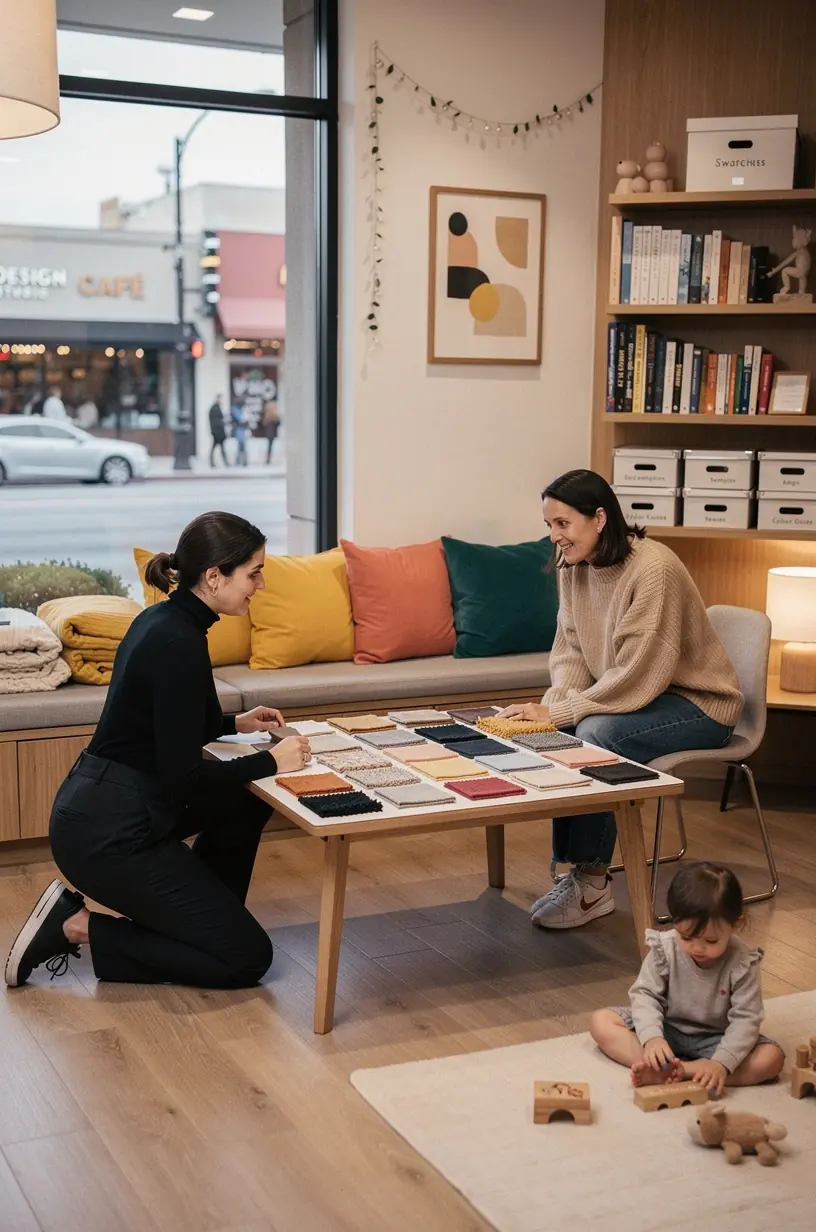
Layering textiles is essential for achieving a warm and inviting atmosphere in any room. According to interior design experts, layering involves combining various types of fabrics, textures, and colors to create depth and visual interest. This technique not only adds to the aesthetic appeal but also improves comfort by allowing for temperature regulation and tactile diversity.
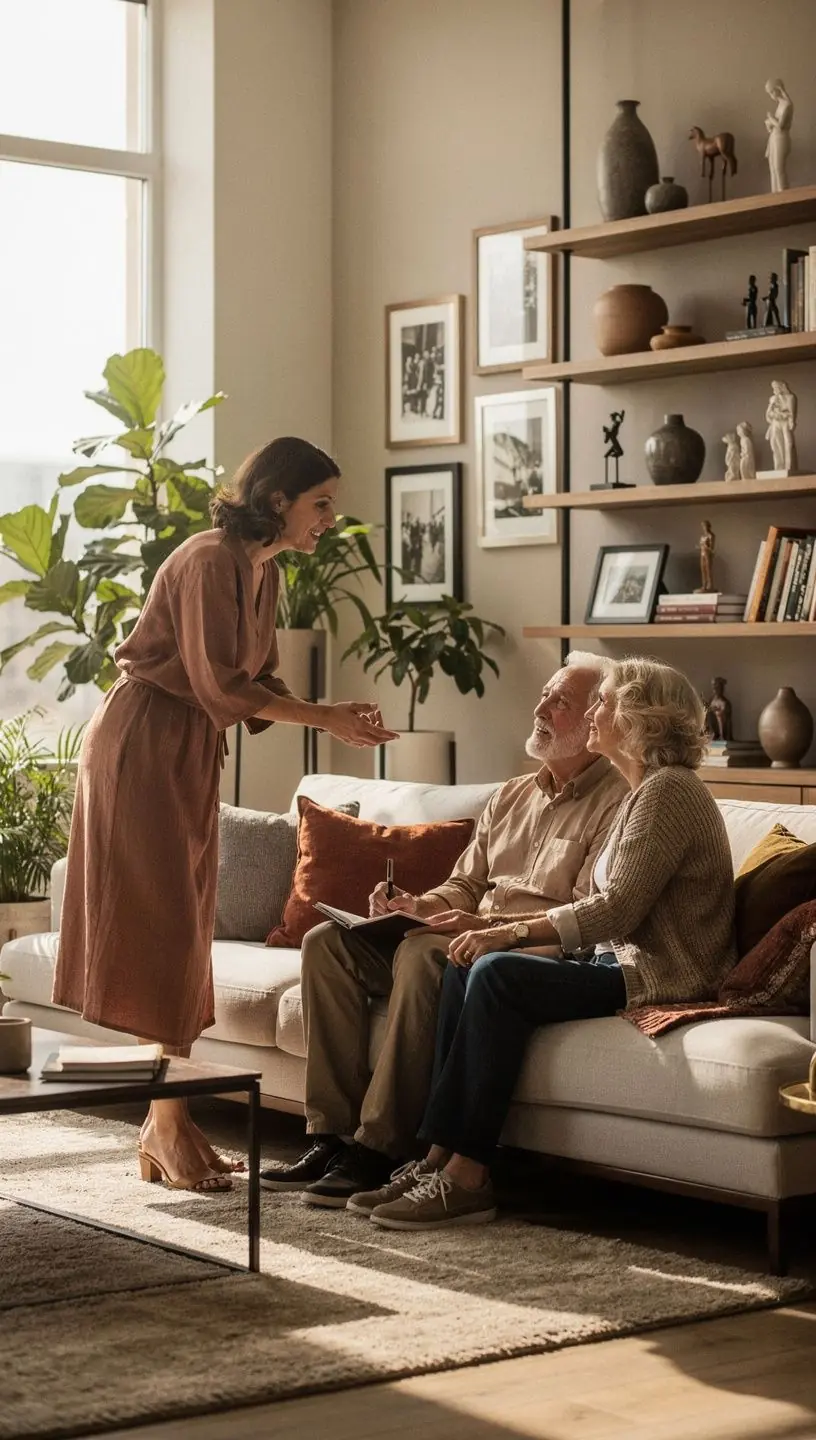
"Layering textiles can transform a room from ordinary to extraordinary, providing both comfort and style."
Principles Behind Effective Textile Layering
To layer textiles successfully, it’s important to follow a few fundamental principles:
- Choose Complementary Colors: When selecting fabrics, aim for a cohesive color palette. Typically, a mix of neutral tones with pops of color can create a balanced look.
- Incorporate Different Textures: A variety of textures, such as soft cotton, plush velvet, and sturdy linen, can make a space feel more dynamic. Studies indicate that rooms with multiple textures can feel more inviting and comfortable.
- Consider the Function: Each layer should serve a purpose. For example, a warm throw can add coziness to a couch, while decorative cushions can provide support and enhance visual appeal.
Practical Application: Layering Techniques
Here are some practical techniques to layer textiles in your home:
- Start with the Base Layer: Begin with foundational pieces such as area rugs or bed linens. A large area rug can anchor a room and define spaces. Use rugs that are typically soft underfoot to enhance comfort.
- Add Textured Layers: Introduce varying textures through throws, pillows, and blankets. Experts recommend selecting pieces that are visually distinct to create contrast and depth. For instance, pairing a chunky knit throw with a smooth cotton blanket can provide a pleasing juxtaposition.
- Accessorize Thoughtfully: Use decorative elements like cushions and drapery to complete the layered look. Curtain fabrics should ideally complement the existing textiles. Many users report that sheer fabrics can create an airy feel, while heavier drapes can enhance warmth.
Limitations and Considerations
While layering textiles can significantly enhance comfort, it’s important to acknowledge potential limitations:
- The process of selecting and arranging textiles can be time-consuming, typically requiring several days to achieve the desired look.
- It may involve a learning curve, especially if you are new to interior design principles.
- This approach works best in environments where textiles can be maintained, so consider your home’s climate and lifestyle.
Conclusion
Layering textiles is an effective method for creating a warm and inviting home atmosphere. By understanding the principles of color, texture, and function, you can transform your living spaces into comfortable retreats. Remember to take your time in selecting the right pieces to ensure a cohesive look that meets your comfort needs. Whether you are redecorating a single room or your entire home, textile layering can be an enjoyable and rewarding experience.
Discover More